

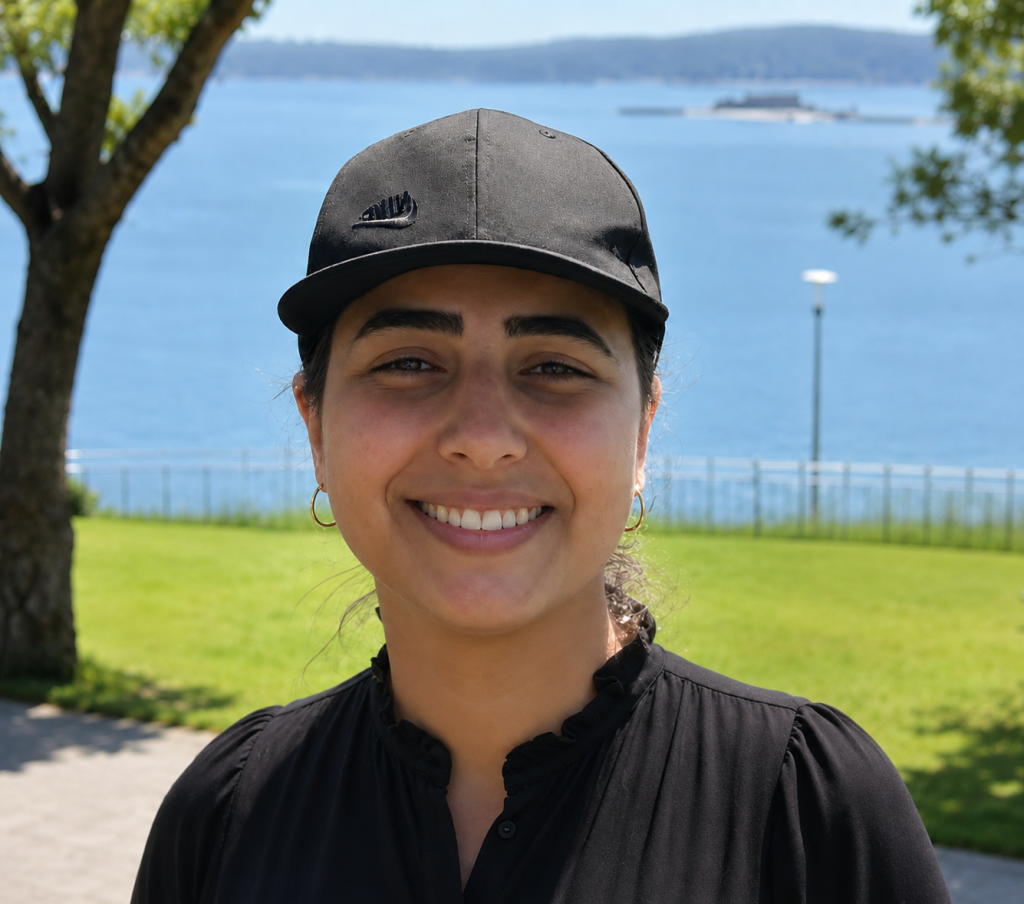
Mahdis Tourian
Environmental Intelligence: Multi-agent evidence synthesis for complex environmental data
Background
I come from industrial engineering and hold an MBA. I am motivated by real-world decision-making and systems thinking, optimising limited resources, quantifying uncertainty, and designing user-centred tools. Those strengths translate directly to environmental intelligence: structuring evidence, building reliable AI pipelines, and supporting transparent trade-offs in nature recovery planning.
PhD
Environmental Intelligence: Multi-agent evidence synthesis for complex environmental dataIn Simple Terms...
Environmental decisions often depend on many different types of evidence, including maps, species records, reports, and guidance documents. My research asks whether AI can help bring this information together in a clear and trustworthy way.
I am developing ideas for a tool that acts less like a general chatbot and more like a team of specialist assistants. One part finds relevant evidence, another checks its quality, another combines the information, and another helps produce a structured draft report.
The goal is not to let AI make environmental decisions. The goal is to help experts save time, see where evidence comes from, understand uncertainty and gaps, requirements for fieldworks, and produce more transparent reports that support conservation, planning, and nature recovery.
Supervisors
-
Lead Supervisor
Professor Hywel Williams
-
Co-Supervisor
Dr. Sareh Rowlands
External Partners
- Natural England
- Natural Resources Wales